
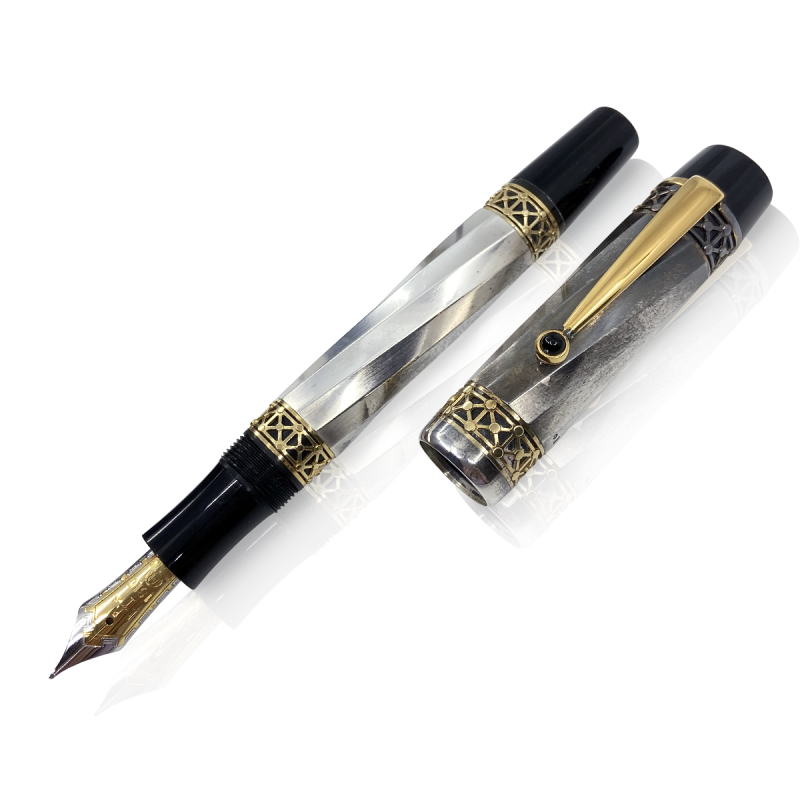
In a world defined by speed and automation, it is remarkable that the fountain pen, a tool from the nineteenth century, is quietly experiencing its strongest resurgence in decades. The renewed interest is not nostalgia. It reflects a deeper cultural shift. People are rediscovering the value of tools that reward discipline, care, and presence.
The fountain pen has become a symbol of intentional excellence.
Digital tools can process information with velocity. They cannot replicate the feeling of mastery that comes from a well-tuned physical instrument. When a fountain pen touches paper, the writer experiences friction, flow, and feedback. It disciplines the mind to slow down, focus, and create.
The Return of a Physical Experience
Fountain pens are popular because they transform writing into a performance experience. The nib flexes. Ink flow changes with pressure. The pen responds to the hand like a chef’s knife or a concert violin. The writer feels connected to the work rather than detached from it.
In high-performance environments, the best tools do not disappear into the background. They sharpen awareness. They clarify intention. They elevate the standard for how the work should feel. A fountain pen creates that effect for many people.
A Tool That Still Signals Presence
For more than a century, the fountain pen has been associated with leadership. Executives, diplomats, and decision makers reached for these instruments because they communicated seriousness. The pen became a physical signal of trustworthiness.
That meaning has shifted, but it has not disappeared. Today the fountain pen signals presence. It communicates that the writer is engaged in the moment. It is the opposite of hurried. It is the opposite of transactional. It aligns with the hospitality principle that how we make people feel is part of the product.
Ritual in a Time Without Ritual
People crave moments that feel deliberate. The fountain-pen ecosystem delivers this through small rituals that slow the mind. Selecting a nib. Filling a converter. Choosing an ink with character. None of this is required for productivity, yet each step reinforces intention.
Ritual builds discipline. Discipline builds standards. Standards build consistency. The fountain pen rewards people who value these qualities.
The Democratization of Craft
The resurgence is also tied to global manufacturing changes. Chinese entrants have disrupted the high-end market by producing pens that look and perform like luxury models for a fraction of the cost. What once felt exclusive now feels accessible. Quality is no longer the sole domain of the established European brands.
This democratization lowered the barrier to entry for new enthusiasts. People can test the experience before they invest in a grail pen. The categories expanded. The community grew. And the commitment to the craft deepened.
The reaction has been predictable. Traditional purists defend the legacy brands. New entrants embrace experimentation. The tension between exclusivity and accessibility fuels even more interest.
A Rebellion Against Digital Fatigue
The rise of fountain pens also reflects a broader cultural trend. People are tired of frictionless digital interactions. They want tangible work. They want texture. They want tools that reward attention.
Writing with a fountain pen is simple. It requires quiet, physical engagement. The instrument slows the writer at the precise moment modern life encourages fragmentation. It becomes a form of cognitive hospitality.
This is why so many people describe fountain-pen writing as meditative. It anchors the mind. It builds clarity. It becomes a craft.
Tools Become Symbols of Standards
In elite environments, the best tools are never about luxury. They are about standards. The right instrument becomes part of the discipline that shapes behavior. It guides the pace of work. It sets the tone for the interaction. It elevates the craft of writing itself.
Fountain pens endure because they sit at the intersection of excellence, discipline, and care. They are not merely instruments. They are reminders that craftsmanship still matters, even in an age of automation.
They teach a quiet lesson.
Velocity matters, but presence transforms.
Tools matter, but intention defines quality.
The work improves when the standard for how it feels improves.
Closing Reflection
The resurgence of fountain pens is not a story about ink or nibs. It is a story about people who crave depth in a shallow world. It shows how even the simplest tools can elevate performance when they require care, demand consistency, and invite the writer to be fully present.
The question for any leader is simple.
What tools in your environment elevate your people into intentional excellence rather than accidental output?
